The Allure of Butterfly Pea Flower Exploring Its Rich Heritage, Uses, and Benefits
The Butterfly Pea Flower (Clitoria ternatea) captivates with its striking blue petals and unique ability to change color when brewed. This tropical plant has a long history rooted in South and Southeast Asia, where it holds cultural, culinary, and herbal significance. Its vibrant blue flowers are not only visually stunning but also serve as a natural source of color and wellness in traditional practices. This article explores the botanical profile, traditional uses, and modern appreciation of Butterfly Pea Flower, highlighting its role in herbal apothecaries and everyday life.
Botanical Profile and Tropical Origin
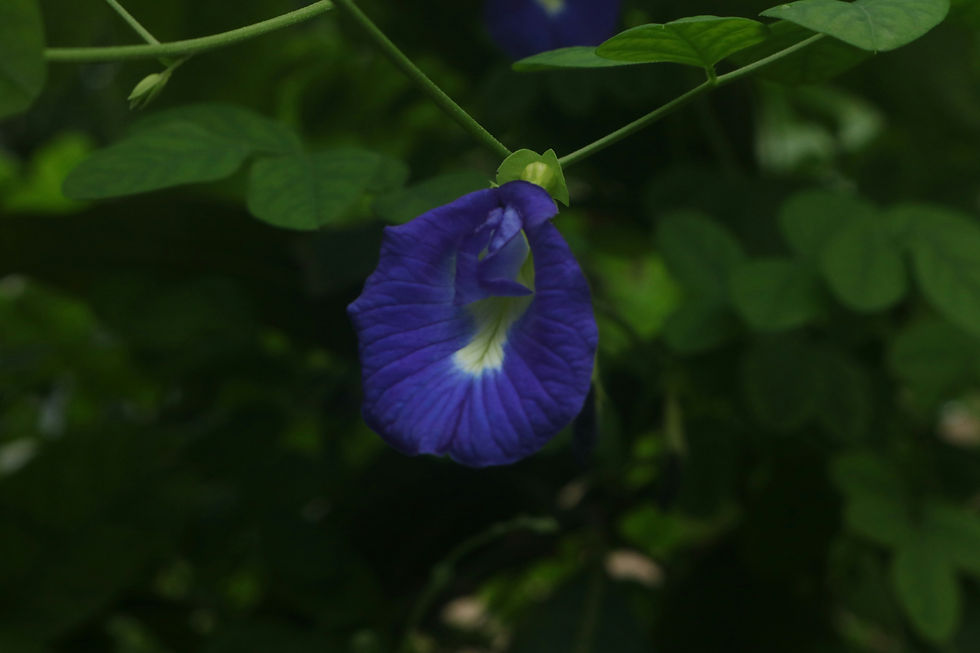
Butterfly Pea Flower belongs to the Fabaceae family and is scientifically known as Clitoria ternatea. It is a perennial climbing vine native to tropical Asia, especially India, Thailand, Malaysia, and Indonesia. The plant thrives in warm, humid climates and is often found growing wild or cultivated in gardens and farms.
The flowers are notable for their deep blue color with a white or pale yellow throat. The plant also produces seed pods that contain several seeds. Butterfly Pea is valued not only for its ornamental beauty but also for its adaptability and ease of cultivation, making it a popular choice in herbal gardens.
History and Cultural Significance
Butterfly Pea Flower has been part of South and Southeast Asian traditions for centuries. In Ayurveda, it is known as "Shankhpushpi" and has been used in herbal formulations for mental clarity and vitality. In Thailand and Malaysia, the flower is a common ingredient in traditional cuisine and beverages, symbolizing purity and calm.
Folklore often associates the flower with beauty and transformation, reflecting its color-changing properties. It is also used in rituals and ceremonies, where its vibrant blue hue adds a natural element of elegance and symbolism.
Traditional Uses in Food, Beverage, and Herbal Medicine
The flower’s vivid blue petals are used to make Butterfly Pea Flower tea, a naturally caffeine-free herbal infusion. This tea is prized for its striking blue color, which changes to purple or pink when lemon juice or other acidic ingredients are added. This color change is due to anthocyanins, natural pigments that react to pH levels.
In traditional cooking, Butterfly Pea Flower is used to color rice, desserts, and drinks. For example, in Malaysia, "Nasi Kerabu" is a blue rice dish colored with Butterfly Pea Flower infusion. The flower powder and tinctures are also used in herbal remedies, often aimed at supporting wellness and beauty.

Butterfly Pea Flower Tea, Powder, and Tincture
Butterfly Pea Flower tea is made by steeping dried flowers in hot water. The infusion releases anthocyanins, giving the tea its signature blue color. Adding acidic ingredients like lemon juice shifts the color to purple or pink, creating a visually appealing drink. This tea is enjoyed both hot and cold and is often blended with other herbs or sweeteners.
Butterfly Pea powder is made by drying and grinding the flowers. It serves as a natural food colorant and can be added to smoothies, baked goods, or cosmetics. The powder retains the flower’s antioxidant properties and vibrant color.
Tinctures are concentrated liquid extracts made by soaking the flowers in alcohol or glycerin. These are used in herbal apothecaries for their traditional wellness applications, often aimed at calming the mind or supporting skin health.
Chemistry Behind the Blue Color
The blue color of Butterfly Pea Flower comes from anthocyanins, a group of flavonoid pigments found in many plants. These pigments are sensitive to pH changes, which explains why the tea changes color when acidic substances are added.
Anthocyanins act as natural antioxidants, which may contribute to the flower’s traditional use in wellness. The color shift from blue to purple or pink is a simple and natural way to create visually dynamic beverages without artificial dyes.
Traditional Wellness Uses and Cultural Practices
In Ayurveda, Butterfly Pea Flower is used to support cognitive function and reduce stress. It is often included in formulations for memory enhancement and mental clarity. Southeast Asian traditions use the flower in beauty treatments, such as hair rinses and skin tonics, believed to promote health and vitality.
These uses are based on centuries of traditional knowledge. Modern science is beginning to explore these claims, but it is important to distinguish between traditional practices and verified research.
Harvesting and Sustainability
Butterfly Pea Flower is typically harvested by hand when the flowers are fully open and vibrant. Sustainable harvesting practices ensure that the plant continues to thrive in its natural environment. Cultivating Butterfly Pea in home gardens or farms supports biodiversity and provides a renewable source of this valuable herb.
Modern Research and Safety
Recent studies have investigated the antioxidant properties of Butterfly Pea Flower and its potential benefits in reducing oxidative stress. Research is ongoing, and while preliminary results are promising, more clinical trials are needed to confirm specific health effects.
Butterfly Pea Flower is generally considered safe for consumption. However, as with any herbal product, it is advisable to consult a healthcare professional before use, especially for pregnant or breastfeeding women or those with medical conditions.
Quick Facts
Botanical name: Clitoria ternatea
Family: Fabaceae
Native to: South and Southeast Asia
Flower color: Deep blue with white or yellow throat
Key compounds: Anthocyanins
Common forms: Dried flowers, powder, tincture, tea
Traditional uses: Cognitive support, natural food coloring, beauty treatments
Safety: Generally safe, consult healthcare provider if needed
Frequently Asked Questions
What causes Butterfly Pea Flower tea to change color?
The tea contains anthocyanins, which change color depending on the pH level. Adding lemon juice or vinegar turns the blue tea purple or pink.
Can Butterfly Pea Flower be used in cooking?
Yes, it is used to color rice, desserts, and beverages naturally without artificial dyes.
Is Butterfly Pea Flower tea caffeinated?
No, it is naturally caffeine-free.
Are there any side effects?
Butterfly Pea Flower is generally safe, but consult a healthcare professional if you have specific health concerns.
Where can I buy Butterfly Pea Flower products?
Look for dried flowers, powder, or tinctures at herbal apothecaries or specialty stores focusing on natural and botanical products. We sell them here at Achula.
Summary
Butterfly Pea Flower offers a unique blend of beauty, tradition, and natural wellness. Its vivid blue flowers and color-changing tea have enchanted cultures across South and Southeast Asia for centuries. Today, it continues to inspire herbal apothecaries and culinary enthusiasts alike. Whether enjoyed as a tea, used as a natural food color, or incorporated into traditional wellness routines, Butterfly Pea Flower remains a valuable botanical treasure. Exploring its rich heritage and practical uses invites a deeper appreciation for this remarkable plant.
This article is for informational purposes only and does not replace professional medical advice.


