
Sprzedaż hurtowa B2B
Foraging Walks in The Hague, Netherlands
DISCOVERING THE LOST REMEDIES
.png)
Achula’s Medicine Walks in the Netherlands offer a unique opportunity to discover wild plants and traditional herbal knowledge directly in nature. During these foraging walks, you’ll learn to recognize the plants and herbs growing around you, discover how they have been used across different cultures, and explore traditional ways of preparing and working with plants.
By reconnecting with the plants in our environment, you can develop practical knowledge of foraging, wild plants and traditional herbal practices. We explore time-tested knowledge passed down through generations, helping you see the natural world around you from a new perspective.
This hands-on experience is a great way to learn more about foraging in the Netherlands, connect with nature and deepen your understanding of traditional herbal knowledge.
And here's just a glimpse of what you'll Discover

Did you know that Native Americans used this plant for a variety of medicinal purposes? It was considered a valuable plant for healing and was commonly used to treat respiratory issues such as asthma, bronchitis, and coughs. The leaves were also steeped in hot water to make a tea that was used to relieve pain and inflammation in the body. And this powerful plant grows in your neighborhood!
Agenda 2027
Available Dates:
Max 10 participants - Saturdays - The Hague
10:00-14:00
April 2027
Meet herbalist Dave Achula
Meet Dave Achula, herbalist and passionate guide to wild plants and traditional herbal knowledge.
Dave has a deep appreciation for the traditional plant knowledge that has been passed down through generations. From a young age, he experimented with herbs and plants, developing a curiosity about their different properties and traditional uses.
His curiosity and passion eventually led him to pursue formal education in herbalism, completing professional studies and becoming a certified herbalist.
Indigenous cultures and generations of families have preserved valuable knowledge about plants and their traditional uses. Much of this knowledge has become less accessible in modern life, and Dave is passionate about keeping these traditions alive and sharing them with others.
Through his foraging walks in the Netherlands, Dave helps you discover the plants growing around you, learn how to identify them responsibly and explore their history and traditional uses. His goal is to make traditional herbal knowledge accessible and inspire you to develop a deeper connection with the natural world.
.jpg)
Dave’s journey into herbalism began during time spent with the Khoi people in South Africa, where he continued to learn about local plants and the traditional knowledge surrounding their uses.
And here’s a glimpse of what you’ll discover
You may be surprised to discover just how many wild plants grow around us. Some are edible and have been valued for generations as sources of nutrients and ingredients for traditional herbal preparations.
During the foraging walks, Dave guides you through forests, dunes and other natural areas, helping you identify wild edible plants and learn about their traditional uses. You’ll discover how to recognize plants in their natural environment and explore the knowledge that different cultures have developed around them.
I’m sure you recognize this common wild plant:

It's name is comfrey and it heals bones and tissues like magic. It's been called "knitbone" for centuries due to its ability to speed up bone and tissue repair. You can make a poultice with comfrey leaves and apply it to a broken bone or sprain to reduce pain and inflammation and accelerate the healing process.

During the Medicine Walk, you’ll learn:
-
which wild plants and herbs are edible
-
how to safely identify different plants
-
which plants are best avoided
-
how to forage responsibly
-
how plants have traditionally been used by different cultures
-
During the Medicine Walk, you’ll discover how to identify, gather and work with wild plants. Dave will introduce you to plants growing in forests, dunes and other natural environments, while sharing their traditional uses and preparation methods.
You’ll learn how plants can be prepared in different traditional ways, including teas, tinctures and poultices. This hands-on experience gives you practical knowledge of foraging and wild plants while helping you become more familiar with the plants growing around you.
You’ll also receive free access to the online Herbal Library, featuring recipes and information about more than 60 different herbs and plants. Whether you’re already experienced with herbalism or just getting started, the Medicine Walk offers a practical introduction to wild plants and traditional herbal knowledge.
Traditional Herbal Knowledge
At the end of the Medicine Walk, you’ll have explored traditional herbal preparations and plant uses that have been passed down through generations. We’ll look at how people throughout history have used plants from their surroundings to make teas, tinctures, poultices and other herbal preparations.
Many of these plants can be found growing in the natural environment around us, and some may even be familiar from your own garden or kitchen. You’ll learn how to identify them and gather them responsibly, while developing a deeper appreciation for the plants and natural world around you.


For instance, did you know that this plant has been used for centuries by women to ease menstrual cramps and regulate periods? This herb is also known for its ability to enhance lucid dreaming, making it a popular choice for those who want to explore the world of dreams. This herb is often consumed as a tea or used as a smudge during meditation and dream work to enhance psychic awareness and promote deep relaxation. Everything you need is right here in nature.
In Ayurveda, the root of this plant is traditionally described as a cooling herb and associated with Pitta dosha, an Ayurvedic concept linked to fire and heat. During the Medicine Walk, you’ll learn more about how this plant is understood within Ayurvedic herbal traditions and the traditional ways it has been used.
The plant has also been the subject of scientific research. For example, a 2011 study investigated an extract of the root and its effects on certain colon cancer cells in a laboratory setting. Research of this kind can provide interesting insights into plant chemistry, but laboratory findings do not establish the same effects in humans.
And if you’ve ever walked along the edge of a woodland and ended up with those little sticky burrs attached to your clothing
You can bet you just walked past this plant


The best way to deal with this annoying weed?
Eat it!
This plant, which Native Americans used as a sweetener two centuries ago, has a taste that surpasses all the greens I've ever tried. What people don't know is that this plant is a...powerful medicinal herb that has been used for centuries in traditional medicine to treat various ailments.
The root is known to purify the blood, aid in digestion, and promote healthy skin. It is also rich in antioxidants and has anti-inflammatory properties. So, the next time you see this plant growing in your garden or in the wild, don't just think of it as a pesky weed - think of it as a valuable addition to your herbal medicine cabinet.
If you rub this plant hard enough you will have Natural Soap.
For centuries, people have been using this plant to make natural cleansers for the body and clothes. It is also commonly used in herbal medicine to treat skin conditions like eczema and psoriasis due to its soothing and anti-inflammatory properties.
Soapwort is a great example of how nature provides us with everything we need, and how we can use plants in ways we never thought possible.
And this is just a glimpse of what you will discover...
The Foraging walks are intentionally kept small, with a maximum of 10 participants per session. This allows for a more personal and intimate experience, with plenty of opportunity to ask questions, explore plants and learn directly from Dave. Make sure to book ahead, as spaces are limited.
So why only read about plants when you can step into nature with herbalist Dave Achula and discover the traditional knowledge surrounding wild plants and herbs? During the Foraging Walk, you’ll learn how to identify plants, explore their traditional uses and discover different ways of preparing and working with them.
And as an added bonus, when you book today, you’ll receive my free e-book, “Spring Support,” straight to your inbox. The e-book explores seasonal wellness and traditional approaches to springtime practices from both an Ayurvedic and Traditional Chinese Medicine (TCM) perspective.

Wouldn't it be nice to go outside and pick your plants and turn them into medicine? I'll show you how to effectively combine herbs together to prevent and serve common ailments.
If at any time you are not COMPLETELY satisfied with the Foraging Walk, send me an e-mail, and I'll give you back every cent. It's as simple as that!



What is a Medicine walk?
On the Medicine Walk, you’ll step into sacred silence and allow the natural world to guide you inward.
As you walk with intention through the landscape of Den Haag, every sound, sign, and sensation becomes part of the dialogue.
This is a time to listen deeply to the Earth, to your body, and to the quiet truths that arise when you move slowly, without distraction. It’s not just a walk it’s a ritual of remembering.
What You'll Learn
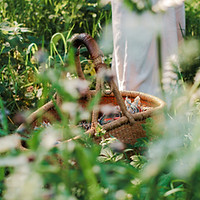
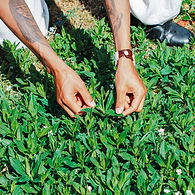

Connect with Nature to connect with Yourself
Experience the power of wild Herbs
Enjoy meeting like-minded people
It is in Nature where we truly connect with the mother and ourselves. She has the power to calm, comfort and nurture one's soul. When we look deep into nature everything becomes more visible and clear. This foraging walk takes place in The Hague and explores local urban nature.
Explore natures finest treasures and learn the art & science of Herbalism. During the Medicine Walk you will gather over 15 medicinal plants while understanding the healing potency of the plant, how to harvest and work with them to your benefit.
Listening, Immersing, smelling, tasting and sharing your feelings with like-minded people in nature will bring you a powerful transformation of your well-being. Foster connection and share stories in a soothing and calming environment.
Who is this walk for?
Nature Enthusiasts
Beginner Herbalists
Stepping into the world of wild plants can feel overwhelming, but this walk is designed to make it approachable. Together, we’ll explore the basics of identifying medicinal plants, understanding their uses, and learning how to forage safely. This is the perfect introduction for those new to herbalism, providing a solid foundation to connect with the plant world and begin your journey with confidence.
If you feel at home in nature and want to learn more about the medicinal treasures it holds, this walk is for you. Together, we’ll discover wild plants and their healing properties while deepening your understanding of their role in ecosystems. Whether you’re hiking, gardening, or simply curious, this is your chance to see the landscape through a new, medicinal lens.
Connection Seekers
Culturally curious
This walk is perfect for those looking to connect with like-minded individuals who share a passion for plants, nature, and holistic healing. As we explore the world of wild medicinal plants together, you’ll have the chance to share stories, exchange knowledge, and build a supportive community of fellow plant enthusiasts and beginner herbalists.
If you feel drawn to the ancestral wisdom of plants, this walk offers a space to connect with the traditions of those who came before us. Learn how wild plants have been used for medicine and ceremony across cultures, and how to approach them with respect and intention. This walk is an invitation to honor your heritage while building a deeper relationship with the natural world.
Benefits
1
Learn from different practices
Many of the great medical sciences and practices of the past are based on the knowledge of plant medicine.
Blending Western Herbalism with Ayurvedic, Chinese philosophy and indigenous wisdom creates a holistic foundation for you to dig deeper than just the symptoms.
2
Access to the Herbal Library
The Herbal Library will give you a chance to do scientific research on new plants and plants you have discovered on the Medicine Walk. More than 60 In-depth monographs will teach you how to work with herbs, dosage + every little detail of the plant.
3
Community
Connections made in nature can last a life time. To share stories with each other and identify plants with each other. After the Medicine Walk you can optionally gain access to the Achula group chat.
Understand why we use Roots, Seeds, Leaves and Flowers and discover their unique uses. Meet your Herbal allies in our Herbal Library

Flowers
Beauty in it's brightest form, flowers ensure the plants reproduction.
Flowers manifest light and color into the world and have been used for thousands of years from Ancient China to the Roman period. Flowers cool and soothe irritated tissues. Passionflower is the perfect example supporting in cases of insomnia and restlessness, promoting a peaceful rest.

Flowers
Beauty in it's brightest form, flowers ensure the plants reproduction.
Leaves
Leaves capture the nourishing power of the sun
Roots
Each stream on Earth has a source, and each plant has a root and each person has a vital force.
Seeds
In the seed is the tree; in the tree is the forest.

Max. 10 participants Starting April 2025 Until August @The Hague
Loading days...
55 euros