The difference between Red and Black ?Maca - Benefits and traditions in Andean culture
Maca (Lepidium meyenii) is a root vegetable native to the high Andes of Peru, treasured for centuries by Indigenous communities. Among its varieties, Red Maca and Black Maca stand out for their distinct appearances, traditional uses, and nutritional profiles. This article explores the botanical identity of maca, its cultural significance, and the differences between these two colorful roots. It also highlights their roles in traditional Andean agriculture and modern interest as natural vitality herbs.
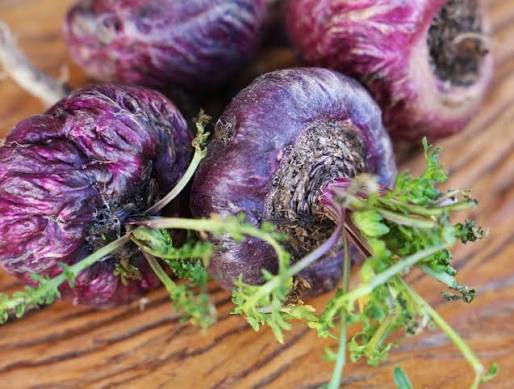
Botanical identity and origins of maca
Maca belongs to the Brassicaceae family, related to broccoli, cabbage, and mustard. It grows at altitudes above 4,000 meters (13,000 feet) in the harsh environment of the central Peruvian Andes. The plant produces a small, turnip-like root that varies in color, including yellow, red, black, and purple. These color variations are natural and linked to different phytochemical compositions.
The cultivation of maca dates back over 2,000 years, with archaeological evidence showing its importance as a food source adapted to cold, windy, and nutrient-poor soils. Maca thrives where few other crops can survive, making it a vital staple for mountain communities.
Traditional Andean agriculture and cultural significance
Maca is deeply woven into the agricultural practices and cultural life of Andean peoples. Indigenous farmers use traditional methods such as crop rotation and terracing to cultivate maca sustainably. The root is harvested in late autumn after a growing season of about 8 months.
Historically, maca was valued not only for nourishment but also for its ability to support endurance and adaptation to high altitudes. It was traded among Andean communities and featured in rituals and mythology. Maca is often associated with vitality, fertility, strength, and energy in Andean culture. For example, some legends describe maca as a gift from mountain spirits to help people thrive in challenging environments.
Natural varieties of maca and their differences
Maca roots come in several colors, each with unique characteristics:
Yellow Maca: The most common variety, mild in flavor and widely used.
Red Maca: Known for its reddish hue, traditionally linked to feminine qualities.
Black Maca: Dark-colored, often associated with masculine strength and endurance.
These varieties differ in appearance, cultivation areas, and phytochemical profiles. For instance, red maca tends to have higher levels of certain antioxidants, while black maca contains compounds linked to stamina and memory support.
Difference of Red Maca and Black Maca
Red Maca has been traditionally used by Andean women to support reproductive health and hormonal balance. It is often consumed as a powder or brewed into tea. Black Maca, on the other hand, is favored by men for its reputed ability to enhance physical strength, energy, and fertility.
Both types are consumed as part of daily diets or during special ceremonies. The roots are dried and ground into powder, which can be mixed with water, milk, or added to foods.
Nutritional characteristics and phytochemicals
Maca is rich in carbohydrates, protein, fiber, vitamins (especially vitamin C and B-complex), and minerals such as calcium, iron, and potassium. Its unique compounds include macamides and glucosinolates, which are believed to contribute to its biological effects.
Macamides: Fatty acid derivatives unique to maca, studied for their potential to influence mood and energy.
Glucosinolates: Sulfur-containing compounds common in cruciferous vegetables, linked to antioxidant activity.
Research shows that red and black maca differ in the concentration of these compounds, which may explain their distinct traditional uses.
Modern interest and uses of maca
Today, maca root is popular worldwide as a food supplement and botanical ingredient. It is available as powder, capsules, tinctures, and extracts. Consumers seek maca for its nutritional benefits and as a natural vitality herb.
Maca powder is versatile and can be added to smoothies, baked goods, or beverages.
Maca tea offers a warming, earthy flavor and is easy to prepare.
Tinctures and extracts provide concentrated doses for targeted use.
Sustainability is a growing concern as demand increases. Responsible harvesting and support for traditional farming communities help preserve maca’s heritage and environment.

Recipes using Red and Black Maca
Incorporating maca into daily meals is simple and rewarding. Here are a few ideas:
Maca smoothie: Blend maca powder with banana, almond milk, and honey for a nutritious start.
Maca energy balls: Mix maca powder with nuts, dates, and cocoa powder, then roll into bite-sized snacks.
Maca tea: Steep maca powder in hot water with cinnamon and ginger for a comforting drink.
Experimenting with recipes allows you to enjoy maca’s earthy flavor while benefiting from its nutrients.
Frequently asked questions about maca
Is maca safe for everyone?
Maca is generally safe when consumed in moderate amounts. Pregnant or breastfeeding women should consult healthcare providers before use.
Does red maca really support feminine health?
Traditional use associates red maca with female vitality, but scientific evidence is limited. It is best seen as a supportive food rather than a treatment.
Can black maca improve male fertility?
Black maca has a traditional reputation for enhancing male reproductive health. Some studies suggest benefits, but more research is needed.
How should maca powder be stored?
Keep maca powder in a cool, dry place away from sunlight to preserve freshness.
Preserving the legacy of Andean maca
Maca’s story is one of resilience and adaptation. It connects modern consumers with ancient traditions and the mountain communities that have cultivated it for millennia. Supporting sustainable practices and respecting Indigenous knowledge ensures that maca remains a valuable ancestral plant food.

Maca’s diversity in color and use reflects the rich cultural heritage of the Andes. Whether you choose red or black maca, you are embracing a natural vitality herb with deep roots in human history and nature.
This article is for informational purposes only and does not replace professional medical advice.


