Blue Lotus (Nymphaea caerulea) Tea, Tincture & Traditional Uses
The Blue Lotus, scientifically known as Nymphaea caerulea, captivates with its striking blue petals and rich cultural heritage. This aquatic flower, often called the Egyptian Blue Lotus or Blue Water Lily, has fascinated herbalists, historians, and spiritual seekers for centuries. Its presence in ancient Egyptian art and mythology highlights a deep symbolic and practical significance that continues to inspire modern herbal use. This article explores the botanical profile, historical importance, traditional uses, and herbal benefits of the Blue Lotus, offering a comprehensive view of this remarkable plant.
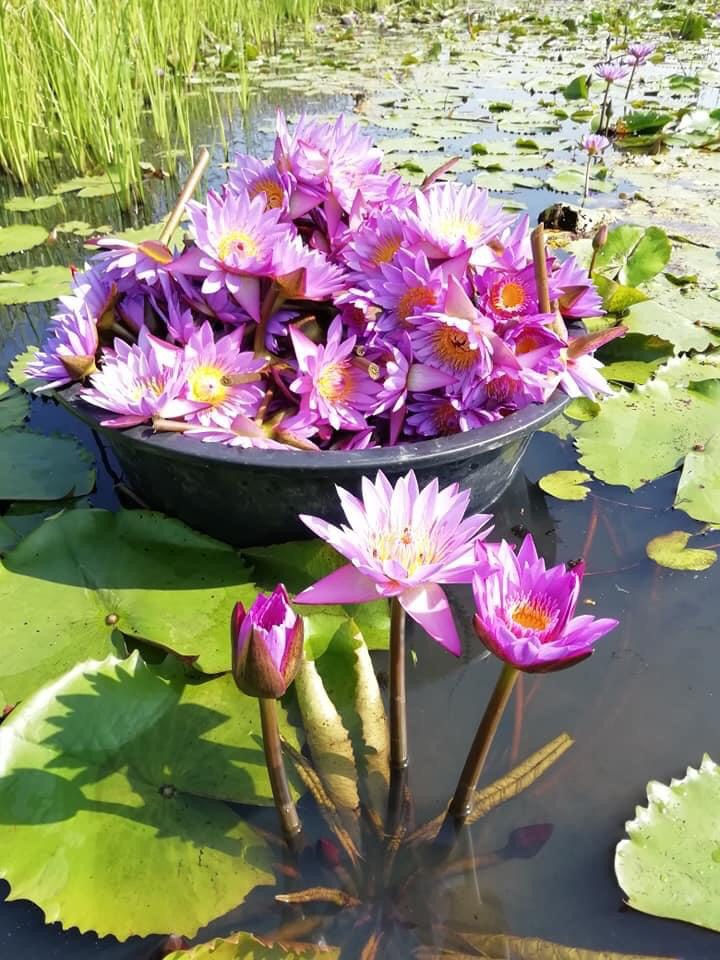
Botanical Profile and Habitat
The Blue Lotus is a water lily native to the Nile and other parts of East Africa. It thrives in warm, shallow freshwater environments such as ponds and slow-moving rivers. The plant features large, round leaves that float on the water’s surface and stunning flowers that open during the day and close at night. The petals range from pale to deep blue, often with a yellow center, creating a striking contrast.
Nymphaea caerulea belongs to the Nymphaeaceae family and is closely related to other water lilies. It grows from rhizomes anchored in the muddy substrate underwater. The flower’s blooming cycle and aquatic habitat make it a symbol of life, rebirth, and purity in many cultures.
Blue Lotus and Ancient Egypt
Long before Blue Lotus became popular in modern herbalism, Nymphaea caerulea held an important place in the visual and cultural world of ancient Egypt. Often called the Blue Lotus of the Nile, it appears repeatedly in Egyptian tomb paintings, reliefs and ceremonial imagery. The flower was associated with renewal, the rising sun, rebirth and the cycle between night and day. Its daily rhythm was particularly striking: the flowers open with the light and close again as the day changes. Archaeological and historical sources show the blue water lily in funerary and ritual contexts, including imagery associated with the tomb of Tutankhamun.
Blue Lotus and Dreams
The connection between Blue Lotus and dreams has become one of the most fascinating parts of its modern identity. Historically, Nymphaea flowers were connected with ritual, religious symbolism and altered states in some interpretations of ancient Egyptian plant culture. Modern herbal traditions have expanded this into associations with dreams, meditation, relaxation and nighttime rituals. It is important, however, to distinguish historical evidence from modern storytelling. Blue Lotus should not simply be described as an ancient Egyptian dream herb without qualification. What we can say with confidence is that the plant occupied a remarkable symbolic and ceremonial position in ancient Egypt, while modern dream and relaxation traditions have developed around that history.
The Original Blue Lotus and Its Journey Around the World
The Blue Lotus used in authentic botanical history is Nymphaea caerulea, a blue water lily native to Africa, including Egypt and regions farther south. It is important not to confuse it with the Asian sacred lotus, Nelumbo nucifera, or with other blue Nymphaea species. Over time, Nymphaea caerulea was introduced beyond its original range and became cultivated as an ornamental water plant in various parts of the world, including regions of Asia. Today, products marketed as Blue Lotus may come from different countries and can sometimes involve confusing botanical names or related water lily species. For this reason, authentic species identification matters. A Blue Lotus grown in Southeast Asia may still be Nymphaea caerulea, but its growing location does not make it an original Southeast Asian species. The botanical identity of the plant is what connects it to the ancient Egyptian Blue Lotus.
Ancient Egyptian History and Symbolism
The Blue Lotus holds a special place in ancient Egyptian culture. It appears frequently in tomb paintings, temple carvings, and artifacts dating back over 3,000 years. Egyptians associated the flower with the sun god Ra because the lotus blooms with the sunrise and closes at sunset, symbolizing the cycle of life and death.
In Egyptian mythology, the Blue Lotus represented creation, rebirth, and spiritual awakening. It was often depicted in scenes of the afterlife, suggesting a connection to immortality and divine protection. The flower also symbolized the union of Upper and Lower Egypt, reflecting national unity.

Traditional Uses and Cultural Significance
Historically, the Blue Lotus was used for its mild psychoactive and relaxing properties. Ancient Egyptians infused the flowers in wine or brewed them as tea to promote relaxation, enhance mood, and support meditation. The flower’s association with sensuality and dreams also made it a popular element in ceremonial and ritual contexts.
In traditional herbalism, Blue Lotus is valued for its calming effects on the nervous system. It has been used to ease stress, support restful sleep, and encourage a meditative state. While modern science is still exploring its active compounds, traditional use emphasizes its gentle influence on mind and body.
Blue Lotus Tea and Blue Lotus Tincture
Blue Lotus tea is a traditional flower infusion made by steeping dried petals in hot water. This method extracts the delicate flavors and mild active compounds, offering a soothing beverage with floral notes and a subtle calming effect. Our Blue Lotus Tea provides a pure, natural way to enjoy these benefits, perfect for relaxation rituals or evening wind-downs.
In contrast, Blue Lotus tincture is a concentrated herbal extract made by soaking the flowers in alcohol or glycerin. This process yields a more potent preparation, allowing for precise dosing and longer shelf life. Our Blue Lotus Tincture offers a convenient option for those seeking a stronger effect or incorporating the flower into meditation and ceremonial practices.
Both forms honor traditional preparation methods while providing modern herbal users with versatile options.
Blue Lotus in Relaxation, Meditation, and Dreams
The Blue Lotus has long been linked to relaxation and altered states of consciousness. Traditional use includes:
Relaxation rituals: Drinking Blue Lotus tea or using tincture to unwind after a stressful day.
Meditation: Enhancing focus and deepening meditative states.
Sensuality: Supporting emotional openness and connection.
Dreams: Encouraging vivid, meaningful dreams and restful sleep.
These uses stem from cultural practices rather than clinical evidence. Current research identifies compounds such as aporphine and nuciferine, which may interact with the nervous system, but more studies are needed to confirm effects.
Preparation, Sensory Qualities, and Harvesting
Preparing Blue Lotus tea involves steeping 1-2 teaspoons of dried petals in hot water for 5-10 minutes. The infusion has a light, floral aroma with a slightly sweet, honey-like taste. Tinctures are typically taken in small doses, 10-30 drops diluted in water or juice.
Harvesting Blue Lotus requires care to protect natural populations. Sustainable practices include collecting flowers without damaging the plant and supporting cultivation efforts. Wild harvesting should be avoided in sensitive habitats to preserve biodiversity.
Safety, Interactions, and Responsible Use
Blue Lotus is generally considered safe when used in moderate amounts. However, it may interact with medications affecting the central nervous system or blood pressure. Pregnant or breastfeeding individuals should avoid use due to limited safety data.
Users should start with low doses to assess tolerance and avoid combining Blue Lotus with alcohol or sedatives. Responsible use means respecting traditional contexts and not expecting guaranteed medical outcomes.

Quick Facts About Blue Lotus
Scientific name: Nymphaea caerulea
Common names: Blue Lotus, Egyptian Blue Lotus, Blue Water Lily
Native habitat: Nile River and East Africa
Flower color: Blue to pale blue with yellow center
Traditional uses: Relaxation, meditation, ceremonial rituals
Preparation: Tea infusion, tincture extract
Active compounds: Aporphine, nuciferine (under research)
Safety: Use with caution, avoid during pregnancy
Frequently Asked Questions
Is Blue Lotus the same as the sacred lotus?
No, Blue Lotus (Nymphaea caerulea) is different from the sacred lotus (Nelumbo nucifera), which has pink or white flowers and belongs to a different plant family.
Can I grow Blue Lotus at home?
Yes, with a warm climate or indoor aquatic setup, Blue Lotus can be cultivated in ponds or large containers.
Does Blue Lotus cause intoxication?
It has mild psychoactive effects traditionally described as calming and euphoric, but it is not intoxicating like alcohol or strong drugs.
How long does Blue Lotus tea take to work?
Effects vary but typically appear within 15-30 minutes after drinking.
Is Blue Lotus legal?
Blue Lotus is legal in most countries but check local regulations before purchase or use.
Summary
The Blue Lotus Nymphaea caerulea offers a unique blend of botanical beauty, cultural depth, and gentle herbal benefits. Rooted in ancient Egyptian tradition, this blue water lily continues to inspire relaxation, meditation, and ceremonial use today. Whether enjoyed as a soothing tea or a concentrated tincture, Blue Lotus invites a connection to history and nature. By respecting sustainable harvesting and responsible use, herbal enthusiasts can explore this enigmatic flower’s legacy safely and meaningfully.
This article is for informational purposes only and does not replace professional medical advice. Consult a healthcare provider before using herbal products.
SEO Keywords: Blue Lotus, Nymphaea caerulea, Blue Lotus tea, Blue Lotus tincture, Blue Water Lily, Egyptian Blue Lotus, Blue Lotus flower, Blue Lotus benefits, Blue Lotus dreams, Blue Lotus meditation, Blue Lotus traditional use


