The Rich Heritage and Therapeutic Potential of Buchu Leaf Agathosma betulina in South African Herbal Medicine
Buchu leaf, derived from Agathosma betulina and related Agathosma species, holds a unique place in South African herbal traditions. Known for its aromatic, minty, and fruity fragrance, this botanical treasure has been cherished for centuries by Indigenous Khoisan and Cape communities. Its distinctive scent and traditional uses make Buchu a premium herb in herbal apothecaries today. This article explores the botanical profile, cultural history, traditional applications, and modern herbal preparations of Buchu leaf, highlighting its role as a distinctly South African botanical.
Botanical Profile and South African Origin
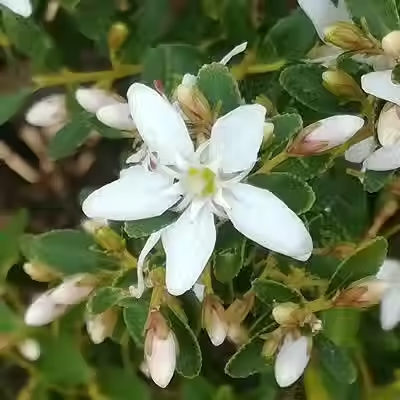
Buchu refers primarily to Agathosma betulina, a shrub native to the mountainous regions of the Western Cape in South Africa. It belongs to the Rutaceae family, which also includes citrus plants. The Buchu plant grows up to 1.5 meters tall and features small, oval-shaped leaves covered with tiny oil glands. These glands release the plant’s signature aromatic oils, which combine minty, fruity, and slightly spicy notes.
The genus Agathosma includes several species, but A. betulina remains the most widely used for herbal purposes. Buchu thrives in the fynbos biome, a unique South African vegetation type known for its rich biodiversity and endemic plants.
Cultural History and Traditional Use Among Indigenous Communities
The Khoisan people, among the oldest inhabitants of Southern Africa, have used Buchu leaves for centuries. They valued the plant for its aromatic qualities and its role in traditional healing practices. The Cape communities also integrated Buchu into their daily lives, using it in herbal teas, tinctures, and topical applications.
Traditionally, Buchu was employed to support urinary health, aid digestion, and promote general wellbeing. It was often brewed as a tea or infused in alcohol to create tinctures. These preparations were part of cleansing rituals and herbal remedies passed down through generations.
The Characteristic Fragrance and Key Plant Compounds
Buchu’s distinctive aroma comes from its rich content of volatile oils, including diosphenol, which gives it a minty and fruity scent. The leaves also contain flavonoids and other phytochemicals such as quercetin and hesperidin. These compounds contribute to the plant’s traditional use and aromatic profile.
The essential oils extracted from Buchu leaves have a complex fragrance that blends herbal, citrus, and minty notes. This makes Buchu popular not only in herbal medicine but also in perfumery and natural skincare.

Buchu and the Mountains Around Cape Town
Buchu belongs deeply to the botanical landscape of the Cape. The plants grow naturally in the mountainous regions of the Western Cape, where rocky slopes, dry valleys and aromatic fynbos vegetation create a unique environment for many plants found nowhere else in the world. Around Cape Town and the wider Cape Floristic Region, Buchu has long been part of the local plant heritage. Walking through this landscape, the strong fragrance released when Buchu leaves are touched is one of the easiest ways to understand why aromatic plants became so important in traditional Cape herbal knowledge.
Different Types of Buchu
The name Buchu refers to several aromatic plants belonging to the genus Agathosma, rather than to only one botanical species. Agathosma betulina, commonly known as round leaf Buchu, and Agathosma crenulata, commonly known as oval leaf Buchu, are among the best known. Other Agathosma species have also been used locally and historically. These plants can differ in leaf shape, fragrance, chemistry and traditional use. This botanical diversity is important when discussing Buchu, because the name represents a family of closely related Cape botanicals rather than a single uniform plant.
Khoi and San Plant Knowledge and the Buchu Drink
Buchu has a long history within the plant knowledge of Khoi and San peoples of southern Africa. Historical accounts describe aromatic Buchu leaves being used in traditional preparations and as part of everyday plant knowledge in the Cape. Buchu was also prepared as a drink by steeping or infusing the fragrant leaves in hot water. This traditional Buchu drink offered a practical way to experience the plant's distinctive aroma and flavour and became part of the wider herbal heritage of the Cape. Today, Buchu tea continues this botanical tradition, connecting a familiar herbal infusion with the remarkable mountains, plants and cultural history of South Africa.
Buchu Leaf Tea and Its Traditional Role
Buchu leaf tea remains a popular way to enjoy the herb’s aromatic and traditional benefits. The tea is made by steeping dried Buchu leaves in hot water, releasing the volatile oils and phytochemicals into the infusion. Traditionally, this tea was consumed to support the urinary system and digestion, as well as to promote a sense of cleansing and wellbeing.
Our premium Buchu Tea is crafted from carefully harvested leaves, ensuring the preservation of its natural aroma and beneficial compounds. Drinking Buchu tea offers a sensory experience that connects you to South Africa’s rich herbal heritage.
Buchu Leaf Tincture and Herbal Preparations
Buchu tincture is another traditional preparation, made by soaking Buchu leaves in alcohol to extract its active compounds. This concentrated form allows for easy dosing and long shelf life. Historically, tinctures were used for similar purposes as the tea, often as part of cleansing rituals or to support urinary and digestive health.
Our Buchu Leaf Tincture is made following traditional methods, using sustainably harvested leaves and pure alcohol. It provides a convenient way to incorporate Buchu into your herbal wellness routine.

Harvesting, Sustainability, and Botanical Identification
Sustainable harvesting of Buchu is essential to protect this native South African plant. Wild populations are carefully managed to prevent overharvesting, and cultivation efforts help meet demand while conserving natural habitats.
Identifying Buchu involves recognizing its small, oval leaves with visible oil glands and its aromatic scent when crushed. The plant’s white to pinkish flowers bloom in spring and summer, adding to its identification markers.
Folklore, Cape Herbal Traditions, and Modern Research
Buchu holds a place in Cape folklore as a cleansing and protective herb. It was believed to ward off evil spirits and promote physical and spiritual health. These traditions continue to influence modern herbal practices in South Africa.
Recent research has explored Buchu’s phytochemical profile and potential health-supporting properties. While traditional use emphasizes urinary and digestive support, scientific studies focus on its antioxidant content and bioactive compounds. It is important to distinguish traditional herbal use from clinical evidence and avoid medical claims.
Safety, Pregnancy, and Medication Considerations
Buchu leaf is generally considered safe when used in traditional amounts, such as in teas or tinctures. However, pregnant or breastfeeding women should consult healthcare providers before use. People taking medications, especially diuretics or blood thinners, should also seek advice to avoid interactions.
As with all herbal products, quality and sourcing matter. Using products from reputable herbal apothecaries ensures safety and efficacy.
Quick Facts About Buchu Leaf
Botanical name: Agathosma betulina
Family: Rutaceae
Origin: Western Cape, South Africa
Traditional uses: Urinary support, digestion, cleansing, general wellbeing
Key compounds: Volatile oils (diosphenol), flavonoids (quercetin, hesperidin)
Forms: Dried leaf, tea, tincture, essential oil
Aroma: Minty, fruity, herbal, slightly spicy
Frequently Asked Questions
What does Buchu leaf taste like?
Buchu has a minty, fruity, and slightly spicy flavor with a refreshing herbal aroma.
Can I drink Buchu tea daily?
Traditional use supports moderate daily consumption, but consult a healthcare provider for personalized advice.
Is Buchu leaf the same as Rooibos?
No, Buchu and Rooibos are different South African plants with distinct uses and flavors.
Where can I buy authentic Buchu products?
Look for reputable herbal apothecaries specializing in South African herbs to ensure quality.
Does Buchu have scientific backing?
Research is ongoing; traditional use is well documented, but avoid medical claims without clinical evidence.
Buchu leaf remains a remarkable example of South Africa’s rich herbal heritage. Its aromatic leaves, traditional uses, and cultural significance make it a valuable botanical for those interested in natural wellness. Whether enjoyed as a tea or tincture, Buchu connects us to centuries of Indigenous knowledge and Cape herbal traditions. Explore our premium Buchu Tea and Buchu Leaf Tincture to experience this unique herb firsthand and support sustainable herbal practices.
References
Van Wyk, B.-E., & Gericke, N. (2000). People's Plants: A Guide to Useful Plants of Southern Africa. Briza Publications.
Joubert, E., & de Beer, D. (2011). Rooibos (Aspalathus linearis) beyond the farm gate: From herbal tea to potential phytopharmaceutical. South African Journal of Botany, 77(4), 869-886.
Traditional use of Buchu in Khoisan medicine. South African National Biodiversity Institute (SANBI).
Buchu Leaf, Buchu Tea, Buchu Tincture, Agathosma betulina, Buchu benefits, Buchu traditional use, South African herbs, Khoisan herbs, Cape herbalism, Buchu plant, Buchu history


